

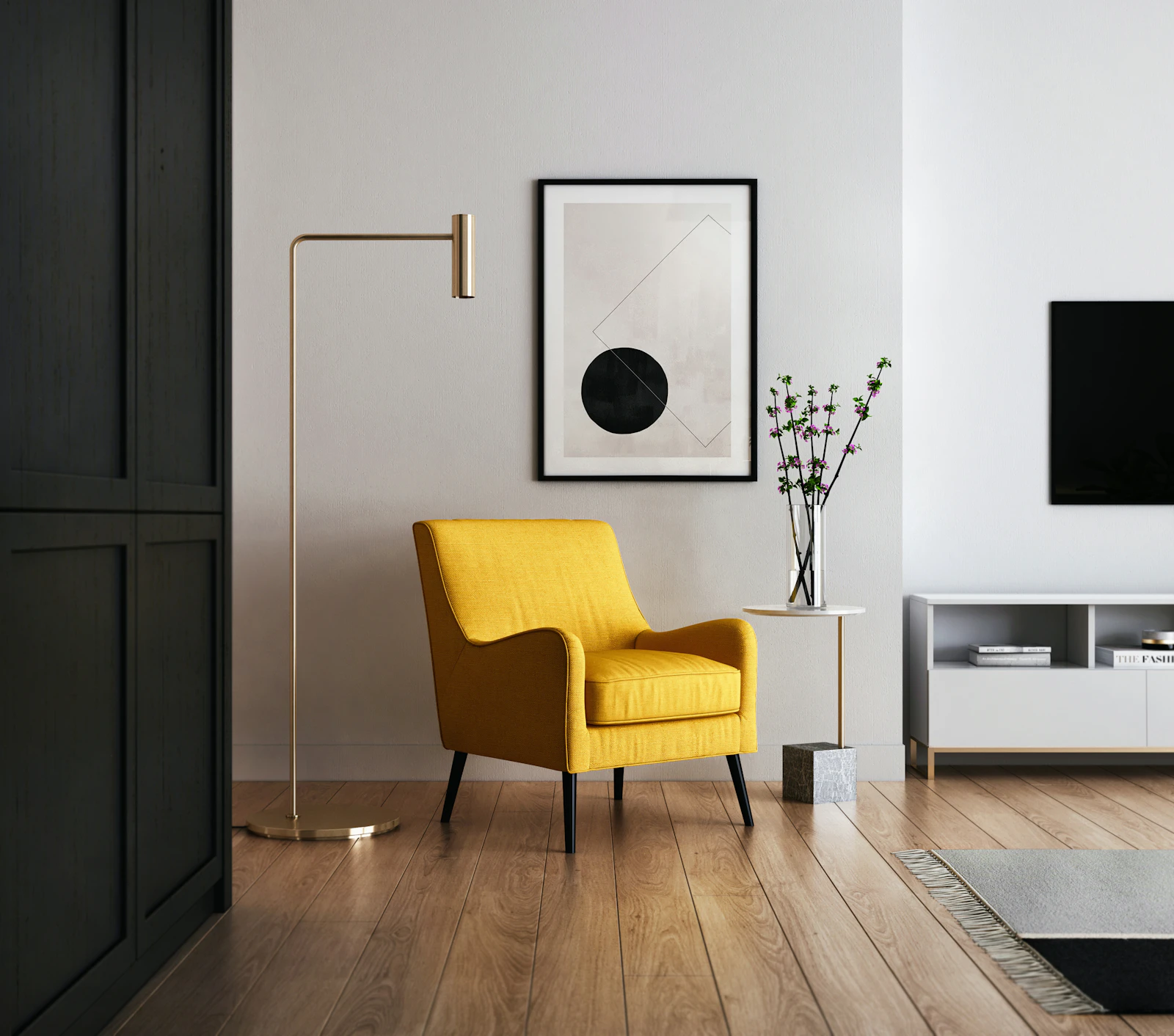
For years, "minimalist" in interior design largely meant one thing: white walls, white furniture, and as little visual noise as possible. That version of minimalism is losing ground to a warmer, more textured approach that keeps the restraint but drops the coldness.
Designers describe the shift as "warm minimalism," a palette built around unbleached linen, raw oak, clay-toned plaster and low, diffuse lighting rather than bright overhead fixtures. The goal is the same visual calm that made stark minimalism popular, achieved through material warmth instead of blank space.
Why the pendulum swung
Part of the change is practical. Clients living through more time at home in recent years have pushed back against interiors that photograph well but feel uninviting to actually inhabit. Designers report far more requests for rooms that "feel good in low light," a phrase that rarely came up a decade ago.
The other driver is material sourcing. As buyers pay closer attention to where furniture and textiles come from, natural, minimally processed materials, raw wood, undyed wool, unglazed ceramics, carry an authenticity that mass-produced white lacquer finishes can't match.
A trend with staying power?
Design historians note that interior trends often swing between stark and warm on a roughly ten-to-fifteen-year cycle, and warm minimalism may simply be the next turn of that wheel. Whether or not it lasts, the current appeal is clear: a room that feels calm without feeling empty.